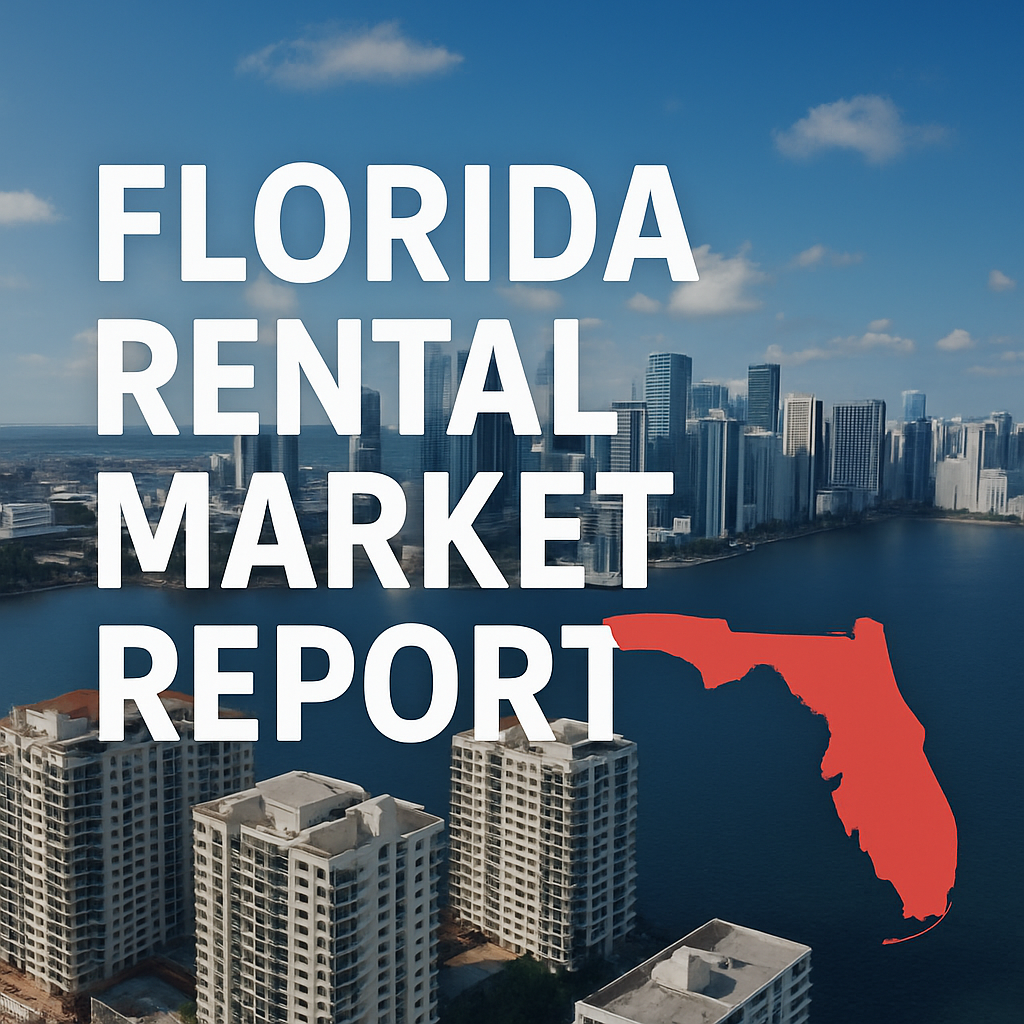

Florida saw a massive surge of Wall Street-backed investor activity between 2020 and 2023. Companies like Blackstone, Invitation Homes, and institutional REITs aggressively purchased single-family homes, often paying above asking price and crowding out local buyers. But 2024–2025 are telling a different story.
Institutional buying is way down
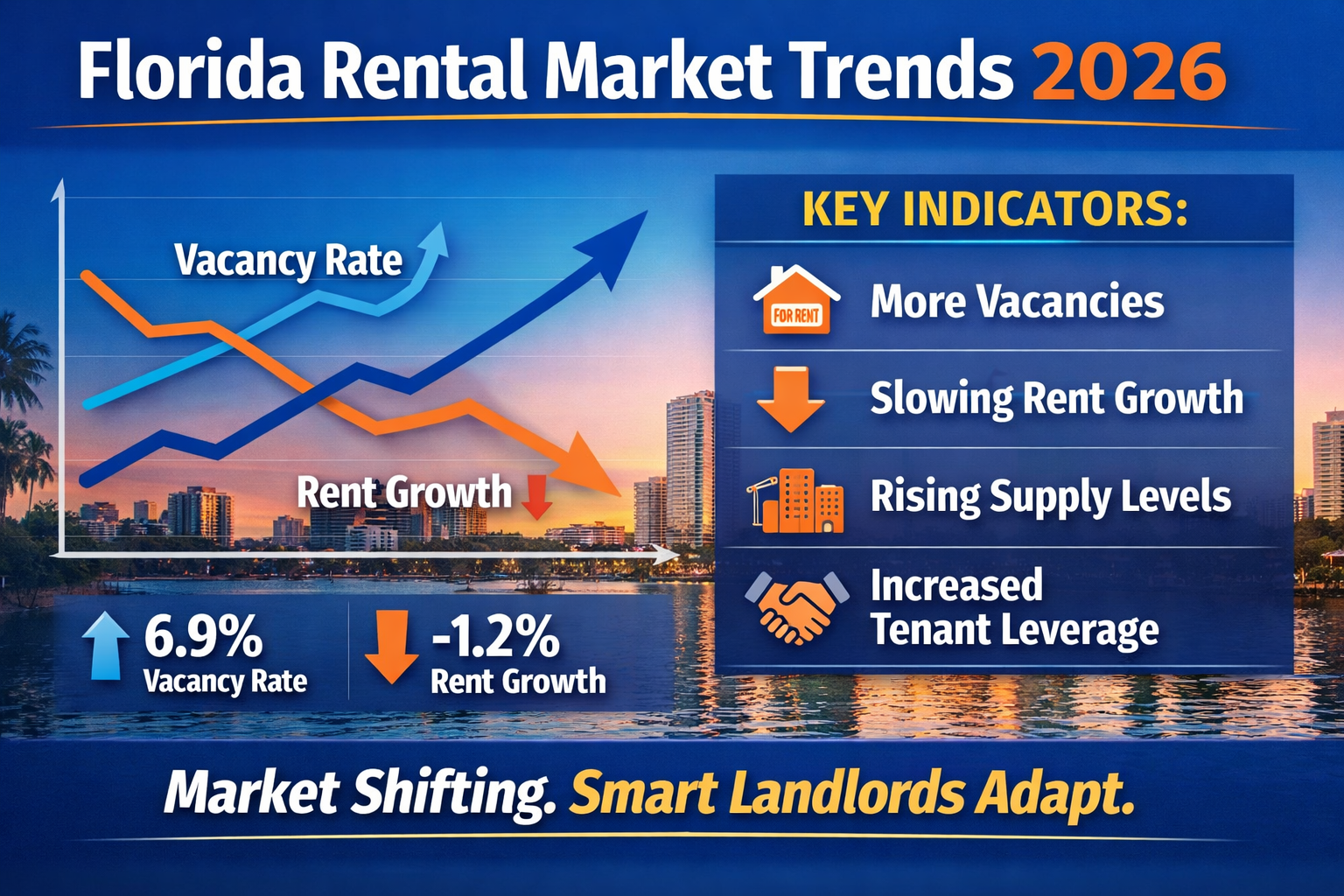
High borrowing costs, insurance volatility, and flattening rents have forced many institutional investors to:
- Halt acquisitions
- Sell off non-performing units
- Scale back development projects
- Shift capital to the Sun Belt states with lower insurance burdens (e.g., Tennessee, Alabama)
This retreat is opening up opportunities for smaller landlords.
Florida still attracts out-of-state buyers
but the profile has changed
Today’s investor movement is coming from:
- Small investors from the Northeast, California, and Chicago
- Retirees purchasing rental homes as a side income
- Former “accidental landlords” turning second homes into long-term rentals
- Entrepreneurs using 1031 exchanges to relocate wealth
These buyers are more cautious and more focused on cash flow instead of speculation.
How this shift benefits Florida landlords
With Wall Street money pulling back:
- There is less competition for investment properties.
- Small landlords can negotiate more favorable terms.
- Sellers are more willing to accept inspection or appraisal contingencies.
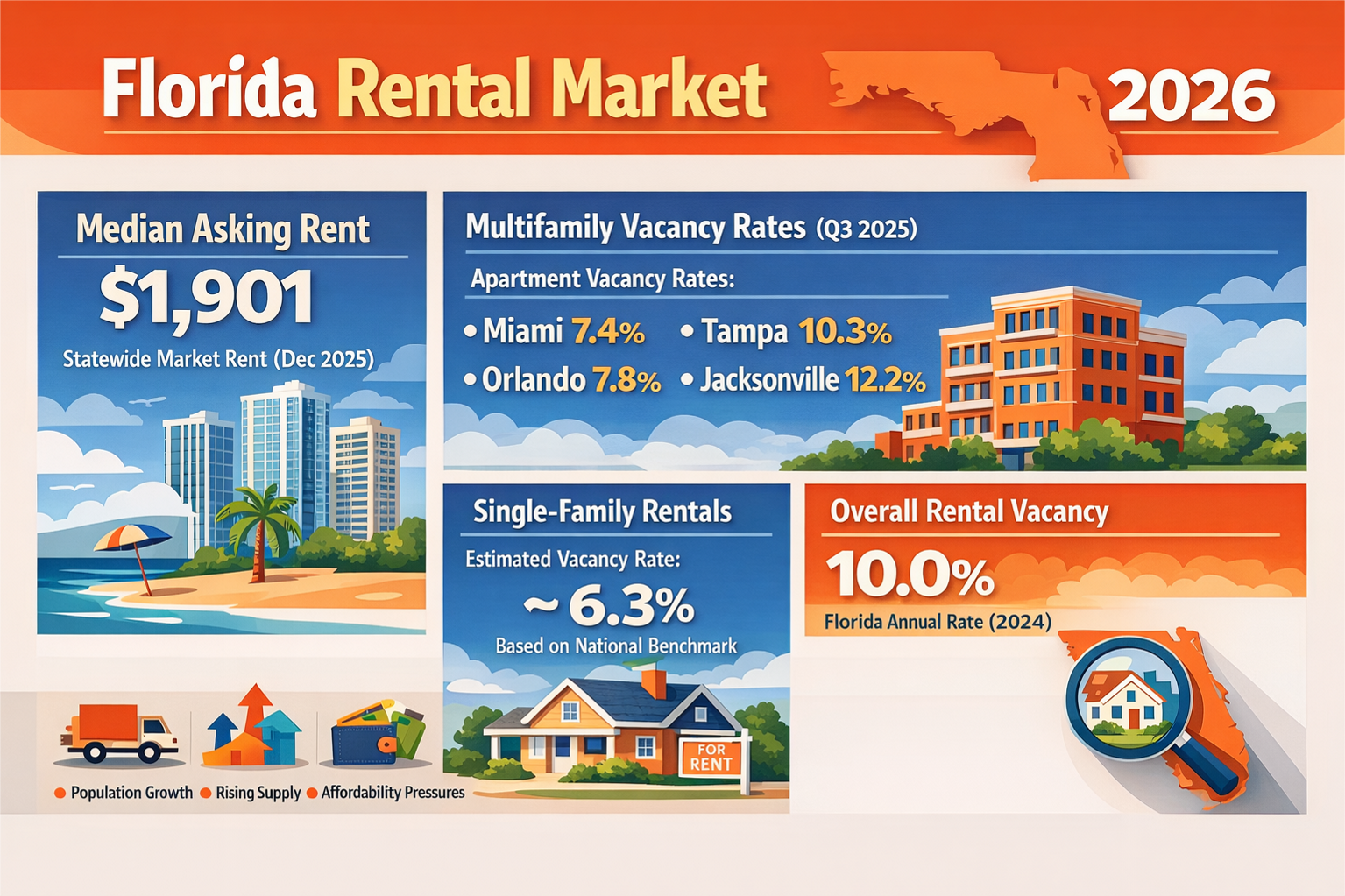
- Rent growth is stabilizing, making analysis clearer.
It’s a return to a more balanced, less overheated market.
Keys for landlords planning to expand in 2025
To take advantage:
- Target counties with lower insurance premiums (Polk, Marion, Hernando, Escambia).
- Avoid HOAs with aggressive enforcement or high fees.
- Focus on homes built after 2005 to minimize insurance costs.
- Use realistic rent projections—no more “pandemic premiums.”
- Maintain at least a 3–6 month reserve fund for insurance spikes.
Smart acquisitions today will look brilliant in 2027–2028.