Accidental Landlords on the Rise
A growing number of homeowners are turning unsold homes into rental properties, creating what housing analysts call “accidental landlords.” Recent research shows this trend has reached its highest level in roughly three years as the housing market shifts in favor of buyers.
The phenomenon occurs when owners who originally planned to sell a home decide instead to rent it out after failing to secure the price they expected.

Unsold Homes Are Entering the Rental Market
According to a new analysis from Zillow, about 2.3% of homes currently listed for rent on Zillow were recently listed for sale.
That figure is near the highest level the company has recorded since it began tracking the data several years ago. The only time the share was slightly higher was in November 2022, when roughly 2.4% of rental listings had recently been on the market for sale.
The trend suggests that homeowners who cannot sell quickly are increasingly choosing to lease their properties instead.
Sellers Face a Different Housing Market
Housing economists say the rise of accidental landlords reflects changing conditions in the real estate market.
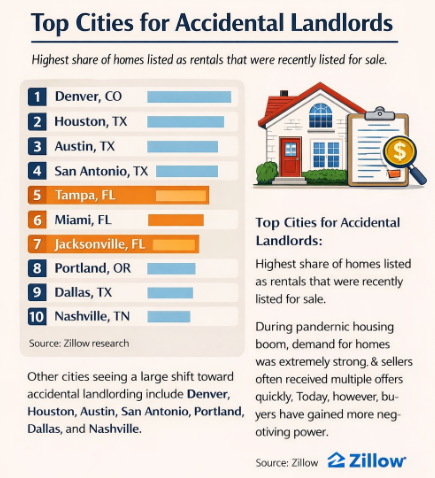
During the pandemic housing boom, demand for homes was extremely strong and sellers often received multiple offers quickly. Today, however, buyers have gained more negotiating power, and homes in many areas are staying on the market longer.
Instead of lowering their price significantly, some owners choose to rent their homes temporarily while waiting for the market to improve.
One housing economist noted that renting can give sellers time rather than forcing them to accept a price they believe is too low.
Florida Among the Areas Seeing More Accidental Landlords
The trend is not evenly distributed across the country.
Several Sun Belt markets, including parts of Texas and Florida, are seeing higher concentrations of accidental landlords. Cities such as Denver, Houston, Austin, San Antonio, Portland, Tampa, Miami, Dallas, Jacksonville, and Nashville rank among those with the largest share of homes that moved from “for sale” listings to rental listings.
These areas generally have more buyer-friendly conditions, where homes tend to take longer to sell and price reductions are more common.
Single-Family Homes Lead the Trend
Detached single-family houses make up the largest portion of accidental-landlord properties.
Zillow’s analysis found that 3.4% of single-family homes listed for rent recently had been listed for sale.
The share is smaller for other property types:
- Townhomes: about 2.2%
- Condominiums: about 1.1%
However, condos have seen the fastest growth in accidental landlords compared with the past several years.
Most Homeowners Are Not in Financial Distress
One important point highlighted by the research is that these homeowners typically are not being forced to rent their homes due to financial trouble.
Instead, many owners still have significant equity in their properties. Recent data indicates that only a small percentage of homes nationwide are currently worth less than their last purchase price.
Because of that financial cushion, many sellers have the flexibility to rent their homes rather than selling immediately at a lower price.
What This Means for the Rental Market
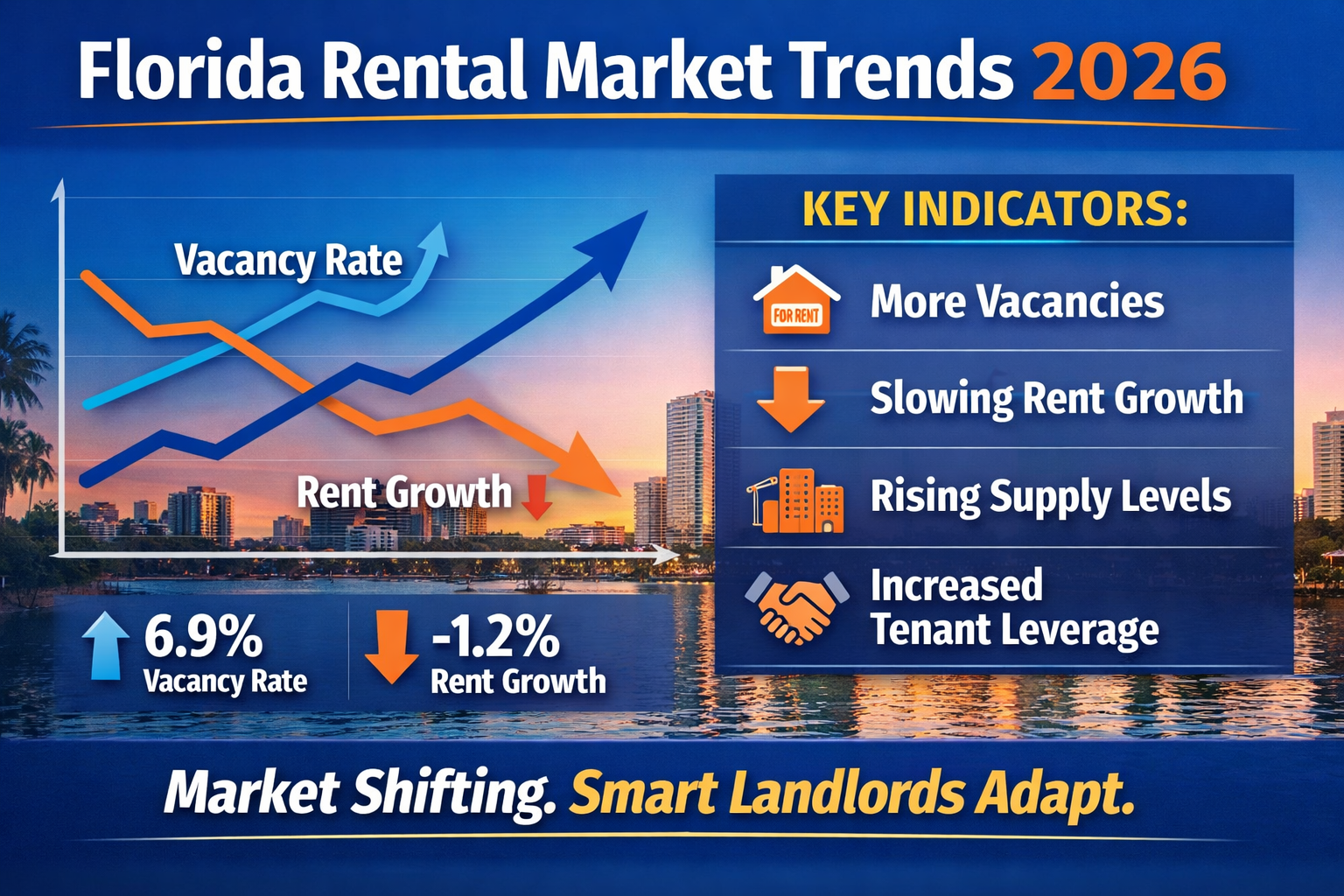
The rise of accidental landlords can have several effects on rental housing markets:
- More rental supply as unsold homes become rentals
- Greater competition among landlords in certain markets
- Potential pressure on rent growth if rental inventory increases
For tenants, the trend may mean more housing options, especially in cities where many homeowners are converting unsold listings into rentals.
A Sign of a Changing Market
Housing analysts say the increase in accidental landlords reflects a broader rebalancing of the housing market after several years of intense competition among buyers.
As conditions shift, some sellers are discovering that renting their property temporarily can be a practical strategy while they wait for better selling conditions.
For now, the data suggests that accidental landlords will continue to play a noticeable role in shaping the rental housing supply in many U.S. cities.