
Tenant Screening Policy - Criminal History


FAIR HOUSING ACT - Expanded

In April of 2016, the Department of Housing and Urban Development (HUD) issued Guidance on how criminal conviction screening policy could violate the FHA under disparate impact theory. The HUD Guidance notes that racial disparities in incarcerations rates will result in certain races, like African Americans, being denied housing more often than other races because of criminal screening policies. The HUD Guidance requires housing providers to support their uses of background tests with “substantial, legitimate, nondiscriminatory interests” such as the safety of residents, employees, and property.


Policies and Practices - Recommended Best Practices

To address a point of first concern, the HUD Guidance does not ban housing providers from conducting criminal screenings on applicants. It simply outlines HUD’s position on how disparate impact lawsuits could proceed against housing providers that do not have justified criminal screening policies that address legitimate concerns in the housing context. Additionally, as discussed in detail in Part II.B, the recent HUD Guidance does not carry the force of law. Nevertheless, generally abiding by its recommendations is a best practice for avoiding exposure to lawsuits and the associated costs. Below is a summary of the recommended best practices based on the recent HUD Guidance as well as other legal authorities and experience.


Have a Policy: Develop a written policy that clearly states the legitimate concerns of the housing provider that justify the screening, including how many years back the screening will go, the types of crimes that will pose the highest amount of concern, and why they do.


Determine Legitimate Interests: Engage in thoughtful deliberations about what are the “substantial, legitimate, nondiscriminatory” interests that motivate the need for criminal screening. Concerns about the health and safety of residents and employees as well as the safety of the property will be significant concerns. Record these concerns in writing the policy and tie them to how the screening is structured.


No Automatic Conviction Exclusions: Do not have a policy that automatically excludes any and all individuals just because of a prior criminal conviction.


Ignore Arrests: Do not have a policy that factors the existence of a prior arrest into consideration for denying an applicant.


Apply Policy Equally and Consistently:  Apply the background check and policy to each and every applicant consistently. Do not make subjective determinations to only apply screenings to certain individuals, which would only result in exposure to claims of inconsistent and discriminatory treatment.


Individually Assess Records and Conduct: If pending criminal charges or arrests are considered at all, only look at the underlying conduct to determine if it is inconsistent with the legitimate concerns expressed in the policy. Likewise, for actual convictions, if you decide to have individual screening on every denial, individually assess the nature and severity of the offense, as well as when it occurred and the underlying facts giving rise to it to determine if it provides a basis for exclusion under the screening policy. Consider mitigating factors and evidence of rehabilitation through statements or documentation put forward by the applicant.


Narrowly Tailor Inquiries: When asking applicants questions about their criminal convictions, limit questions to those related to legitimate interests and concerns as stated in the

screening policy


Train Staff: Provide detailed training to local management and staff to know how to communicate the policy and effectively apply it in a consistent and unbiased manner.  Document Continues
By Paul Howard March 11, 2026
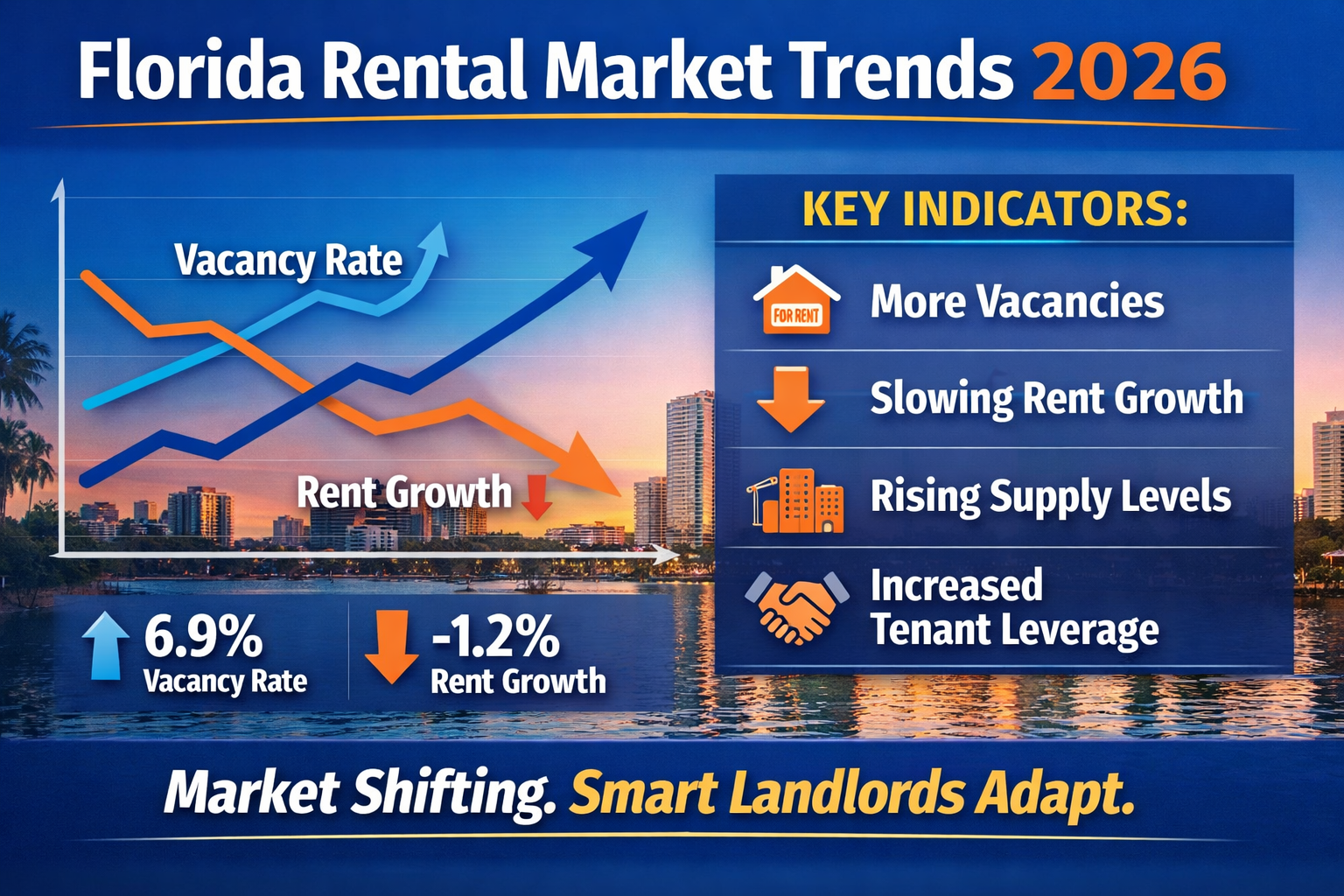
Accidental Landlords on the Rise A growing number of homeowners are turning unsold homes into rental properties, creating what housing analysts call “accidental landlords.” Recent research shows this trend has reached its highest level in roughly three years as the housing market shifts in favor of buyers. The phenomenon occurs when owners who originally planned to sell a home decide instead to rent it out after failing to secure the price they expected.
FTC May Regulate Rental Fees
By Paul Howard March 11, 2026
FTC May Regulate Rental Fees What Landlords Need to Know About New Federal Rules Federal regulators examine pricing transparency in the rental market Federal regulators are taking a closer look at fees charged to renters, and the outcome could eventually affect landlords and property managers across the country. The U.S. Federal Trade Commission (FTC) has begun the early stages of a rulemaking process aimed at improving transparency in rental housing pricing. The agency is examining whether certain rental-related fees are being presented to consumers in ways that could be misleading or confusing. Although no final rule has been adopted, the move signals that federal regulators are increasingly interested in how rental prices and associated fees are disclosed to tenants. The FTC’s Early Rulemaking Process In early 2026, the FTC submitted an Advance Notice of Proposed Rulemaking (ANPRM) related to rental housing fees. This step starts the federal rulemaking process and allows regulators to gather information before deciding whether to propose formal regulations. If the agency moves forward, the process would include: Publication of a proposed rule A public comment period Review of industry feedback A final rule vote by the commission This process can take considerable time, and it is not certain that a final regulation will emerge. However, the issue has clearly gained attention in Washington. Why Regulators Are Interested in Rental Fees The discussion around rental housing fees is part of a broader federal campaign against what regulators often call “junk fees.” These are charges that consumers may not see until later in the purchasing process. In rental housing, examples could include: Administrative fees Mandatory technology or service packages Application processing fees Required utility or amenity fees Move-in or inspection charges Consumer advocates argue that renters should see the total cost of housing upfront, rather than discovering additional charges later in the leasing process. Landlords and property managers, on the other hand, often note that some fees reflect legitimate costs associated with operating and maintaining rental properties. Earlier FTC Action in Other Industries The FTC has already taken action in other markets where fees were not clearly disclosed. In 2024 the agency adopted regulations requiring businesses in the ticketing and short-term lodging industries to disclose mandatory charges as part of the advertised price. Although that rule did not apply to traditional long-term rental housing, it demonstrated the type of transparency rules regulators may consider in other industries—including residential rentals. Property-Management Software Also Under Scrutiny Federal regulators have also recently contacted several companies that provide property-management software used by landlords and apartment operators. The FTC raised concerns that some platforms might make it difficult for landlords to display the full monthly cost of renting a unit, including mandatory charges. The agency warned that failing to clearly disclose required fees could potentially raise issues under federal laws prohibiting unfair or deceptive business practices. What This Could Mean for Florida Landlords While the FTC proposal is federal and still in its early stages, Florida landlords should also be aware of state-level developments affecting rental fees and disclosures. Several issues in Florida already intersect with the same transparency concerns regulators are discussing in Washington. Florida Law Already Regulates Certain Fees Florida law allows landlords to charge various fees, but some charges are specifically addressed by statute. For example: Application Fees Florida law allows landlords to charge application fees for screening tenants. However, landlords should clearly disclose these charges before accepting an application. Security Deposits Florida Statute §83.49 governs how security deposits must be handled, including requirements for holding deposits in separate accounts and providing written notice to tenants. Advance Rent and Fees Landlords commonly collect first month’s rent, last month’s rent, and a security deposit at move-in. These amounts should always be clearly explained in the lease agreement. Failure to properly document these charges can sometimes lead to disputes when a tenancy ends. Local Governments Are Watching Rental Fees Although Florida has strong state preemption laws limiting local regulation of rental housing, some municipalities and advocacy groups have shown interest in issues such as: Application fees Administrative fees Late fees Mandatory service packages If federal rules emerge, these local discussions could gain additional momentum. Advertising and Pricing Transparency Another issue landlords should pay attention to is how rental prices are advertised. If federal rules eventually require that mandatory fees be included in advertised rent prices, landlords and property managers may need to adjust how they list rental properties on websites or online marketplaces. Clear and consistent pricing disclosures could become an important compliance issue. Practical Advice for Florida Landlords Even before any federal regulation is adopted, landlords can reduce risk by following a few best practices: Disclose all fees clearly. Tenants should understand every charge before signing a lease. List recurring charges in writing. Monthly service fees, technology packages, or utility pass-through charges should be spelled out in the lease. Avoid surprises during move-in. Unexpected charges are one of the most common causes of tenant complaints. Keep application fee policies consistent. Applying the same screening policies to all applicants can reduce disputes. The Bottom Line The FTC’s exploration of rental housing fees is still in its early stages, but it reflects a broader national conversation about pricing transparency in the housing market. Whether federal rules ultimately emerge or not, landlords—especially in states like Florida with active rental markets—may benefit from reviewing how their fees are disclosed and documented. Clear communication with tenants about the true cost of renting a property can help prevent misunderstandings and maintain smoother landlord-tenant relationships. Editor’s Note Some housing industry observers view the FTC’s interest in rental housing fees as potentially more significant than it may first appear. At the moment, federal regulators are focusing narrowly on fee transparency and disclosure practices. However, critics worry that this could represent the familiar regulatory pattern sometimes described as “the camel’s nose under the tent.” In other words, a limited rule addressing one issue may gradually expand into broader federal involvement in the rental housing market. Historically, residential landlord-tenant law has largely been governed at the state and local level. Landlord licensing requirements, eviction procedures, security deposit rules, and rent regulations are typically established by state legislatures and local governments. If federal agencies begin regulating pricing disclosures or rental fee structures, some property owners fear that the next steps could include additional federal standards related to: Lease terms and disclosures Tenant screening practices Fee limitations Late fee structures Eviction procedures Rent-setting policies Supporters of stronger federal oversight argue that nationwide standards could help prevent deceptive practices and make housing costs easier for renters to understand. Critics counter that expanding federal involvement could create one-size-fits-all rules that may not reflect the realities of local housing markets. At this stage, the FTC’s inquiry is limited to examining how rental fees are disclosed. But for many in the housing industry, the discussion raises a broader policy question: Should the federal government play a larger role in regulating residential rental housing, or should those decisions remain primarily with states and local communities? As the rulemaking process develops, landlords, property managers, and housing advocates across the country will be watching closely. PFH
By Paul Howard March 1, 2026
Most standard landlord insurance policies were never designed for Airbnb-style turnover.
Recent moves from U.S. financial regulators suggest that traditional banks could soon play a larger
By Paul Howard February 26, 2026
Recent moves from U.S. financial regulators suggest that traditional banks could soon play a larger role in mortgage lending again — potentially making loans easier and more affordable for qualified borrowers.
By Paul Howard February 16, 2026
In recent years, many landlords have encountered a troubling trend: tenants using complaints as leverage rather than protection.
By Paul Howard February 16, 2026
The Cost of Waiting: Why Delayed Evictions Hurt Florida Landlords More Than Ever
One of the most common — and preventable — mistakes is allowing adults to live in a rental property
By Paul Howard January 17, 2026
One of the most common mistakes is allowing adults to live in a rental property without being formally named on the lease
By Paul Howard January 17, 2026
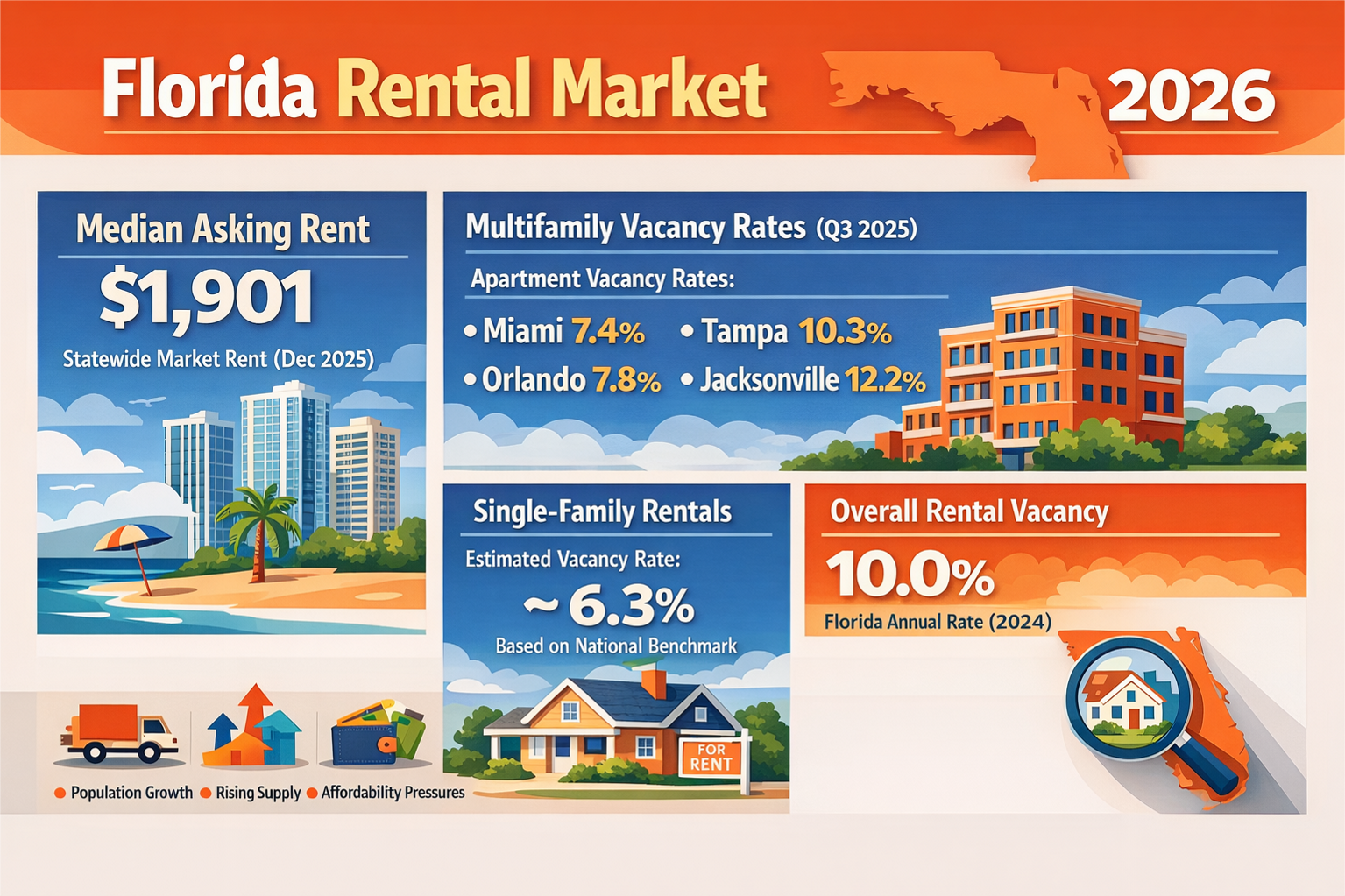
After a period of rapid rent growth and historically low availability, many parts of the state are now moving through a normalization phase.
By Paul Howard December 3, 2025
Florida landlords have been divided on whether accepting Section 8 housing vouchers is a smart business move. But more owners are taking a fresh look at the program.
By Paul Howard December 3, 2025
Insurance remains the single biggest cost issue for Florida landlords in 2025. While still serious, developments suggest the worst may finally be behind us.
By Paul Howard December 3, 2025
Florida saw a massive surge of Wall Street-backed investor activity between 2020 and 2023. But 2024–2025 are telling a different story.
By Paul Howard December 3, 2025
Statewide vacancy rate: about 6.9%, up from 5.8% a year earlier, reflecting softer demand and a lot of new suppl
By Paul Howard September 24, 2025
Many housing providers believe certain situations justify denying an emotional support animal requests. Most of these ideas are myth.
By Paul Howard August 30, 2025
They said the Kansas Supreme Court ruling was a big win for a landlord because his tenant had to pay $21,000 in late fees. I think he lost.
By Paul Howard June 24, 2025
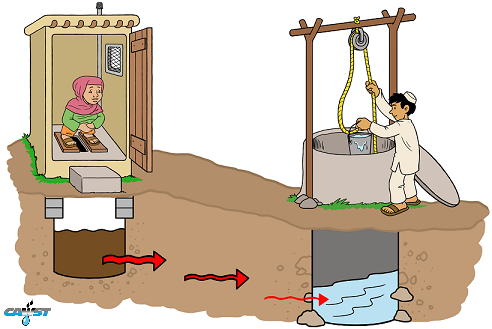
IMPORTANT: If you are a Landlord and you provide water to your tenants via pump and well, here is a page from the website of "America's Largest Injury Law Firm". This looks like a new market for them and that should get your attention!
By Paul Howard May 18, 2025
In 2025, Florida’s home insurance premiums average $5,376 annually for $300,000 in coverage—over double the national average of $2,181—driven by hurricanes, inflation, litigation, and attorney fees.
By Paul Howard May 18, 2025
By leveraging standard depreciation, bonus depreciation, and Section 179 deductions, you can lower taxes and keep more cash for reinvestment.
By Paul Howard May 16, 2025
Several updates to Florida’s landlord-tenant laws have been implemented or proposed by May 2025,
By Paul Howard February 25, 2025
Fair Housing Law Landlord Responsibilities Federal fair housing laws in the United States, primarily governed by the Fair Housing Act ( FHA ) of 1968, aim to ensure equal access to housing and prohibit discrimination in housing-related activities. The FHA applies to most housing types, including rentals, sales, and financing, with limited exceptions (e.g., certain owner-occupied buildings with four or fewer units or single-family homes sold without a broker). Here’s a summary of the key points and landlord responsibilities:
By Paul Howard February 24, 2025
A Stipulation is used to resolve disputes or address issues without going to court. Especially helpful with overdue rent situations.
By Paul Howard February 17, 2025
Many landlords overlook late and partial rent payment. Neither of these practices are good but it could be worse than you think.
By Paul Howard February 3, 2025
Veteran real estate investors almost never sell their rental property. Instead they borrow against the equity, that's tax free cash!
By Paul Howard September 27, 2024
Rental investors should never pay attention to comps because investors do not buy buildings, they buy return on investment (ROI)
By Paul Howard June 29, 2024
The rules governing security deposits for residential leases are primarily found Chapter 83. Here are the key points:
By Paul Howard June 28, 2024
My Tenant Won’t Let Me Enter the Rental Property What Are My Rights?
By Paul Howard May 18, 2024
There are three federal laws that regulate and define what a service dog is: The Americans with Disabilities Act, the Fair Housing Act and the Air Carrier Access Act. The Americans with Disabilities Act (ADA) defines service dogs as “trained to do work or perform tasks for people with disabilities”. Under the ADA, individuals with a disability include someone with a physical or mental health impairment that limits their life.
By Paul Howard March 7, 2024
Tenants who have a bad rental history or a criminal history need a place to live just like everyone else. These characters know they can’t rent from large, well managed apartment communities because they check references. So, who are they looking for? They are looking for a nice, private landlord who thinks he’s is a good judge of character.
By Paul Howard February 23, 2024
Our eviction business has seen a sizeable increase in the number of squatters moving into empty rental units. The stories are similar. The landlord discovers strangers have taken up residency in their rental home. Naturally, they are angry and worried. Will they become violent? Will they destroy the house? How do I get them out?
By Paul Howard February 13, 2024
Successful landlords know you make money in the rental business when you select your tenant. If you fail to do your due diligence it can cost you thousands.
By Paul Howard December 13, 2023
Landlords are prohibited from requiring tenants to pay rent in excess of what is authorized by HAP contracts. The Landlord may not demand or accept any rent from the tenant in excess of the contracted.
More Posts